Choosing a baby gift hamper can feel like assembling a tiny, glitter‑filled orchestra—each item a note that should harmonize with the little one’s growth. If you’re wondering what are the best baby gift hamper items for development, this guide will give you a clear roadmap. We’ll dive into the science of early learning, spotlight the categories that matter most, and hand‑pick items that will help a newborn’s mind and body thrive—all while keeping the tone light enough to keep you smiling.
The Science Behind Early Development Gifts
When you think of a baby’s development, you might picture cuddles and lullabies. Yet, the first year is a whirlwind of brain wiring, sensory refinement, and motor milestones. By selecting gifts that align with these natural processes, you’re essentially giving the child a head start—like handing them a well‑packed toolbox before they even know how to use it.
Sensory Stimulation
The infant brain is a sponge, soaking Go to the website up everything from textures to sounds. Sensory stimulation is the cornerstone of neural development. Items that provide varied tactile, visual, and auditory experiences help babies build connections that later translate into language, coordination, and problem‑solving skills.
Motor Skill Enhancement
From grasping a rattle to stacking blocks, motor skills are the building blocks of independence. Fine motor development—small, precise movements—sets the stage for reading and writing, while gross motor skills—large movements like rolling over—boost confidence and balance.
Core Categories for a Development‑Focused Hamper
A well‑balanced hamper should touch on the three pillars of early learning: sensory, motor, and cognitive. Think of it as a balanced meal for the brain, where each category is a different vegetable.
Visual and Auditory Stimulation
High‑contrast colors, simple shapes, and gentle sounds capture a baby’s attention. Visual stimulation sharpens focus, while auditory cues lay the groundwork for language acquisition.
Tactile and Textural Variety
Soft plushies, rough‑edge books, and smooth balls introduce babies to a spectrum of textures. This variety encourages exploratory touch, a vital part of sensory integration.
Cognitive Play and Problem Solving
Even the tiniest puzzle can ignite curiosity. Shape sorters, simple matching games, and cause‑effect toys help babies understand cause and consequence—an early form of critical thinking.
Hand‑Picked Items That Spark Growth
Below are five standout items that embody the principles above. These pieces are not only adorable but also packed with developmental benefits.

Classic Rattle and Soft Toy Combo
- Rattle: Provides auditory feedback when shaken, reinforcing cause and effect. Soft Toy: Offers comfort and a tactile anchor for cuddling.
Together, they create a rhythm that babies can anticipate and respond to, fostering both emotional security and auditory processing.
High‑Contrast Board Books
- Bold colors: Stimulate visual tracking. Simple images: Encourage recognition and memory.
Board books are durable and easy to clean—ideal for a busy parent who wants a learning tool that can survive the chaos of diaper changes.
Sensory Play Dough and Textured Balls
- Play dough: Enhances fine motor control and hand‑eye coordination. Textured balls: Boosts tactile exploration and proprioception.
These items allow babies to experiment with pressure, shape, and texture, turning playtime into a science lab.
Musical Instruments for Little Hands
- Mini tambourine: Introduces rhythm. Baby harp: Encourages gentle touch and sound production.
Music is a universal language, and early exposure can improve language skills, memory, and even emotional regulation.
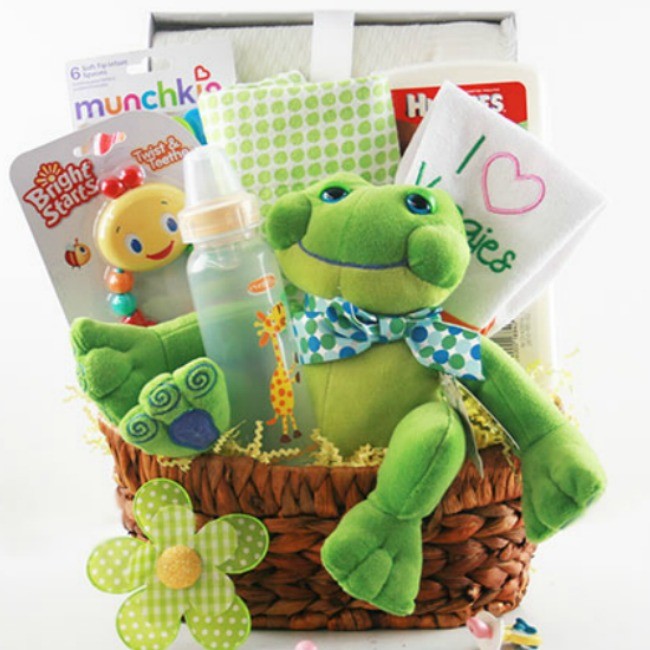
Shape Sorters and Building Blocks
- Shape sorter: Teaches spatial awareness and problem solving. Building blocks: Develops creativity and fine motor precision.
These toys can be stacked, sorted, or simply held—offering endless ways to engage a baby’s mind.
> “Play is the highest form of research.” – Albert Einstein
> (While Einstein wasn’t a pediatrician, his words echo the truth that every toy in a hamper is an experiment in learning.)
Practical Tips for Packing and Presentation
A hamper is only as good as its packaging. A thoughtful presentation can elevate a simple gift into a memorable experience.
Size, Weight, and Safety First
- Keep the hamper light so it’s easy for parents to carry. Use non‑toxic, BPA‑free materials. Ensure all items have no small parts that could pose choking hazards.
Personalization Touches
- Add a handwritten note with the baby’s name. Include a small, custom‑printed card that explains each item’s developmental benefit.
Eco‑Friendly and Non‑Toxic Choices
- Choose organic cotton swaddles. Opt for soy‑based paints on toys. Look for certifications like GOTS (Global Organic Textile Standard) or ASTM.
Parents today value sustainability as much as safety—so a green hamper is a win on all fronts.
The Perfect Gift Awaits: Putting It All Together
Imagine unwrapping a hamper that feels like a treasure chest of developmental delights. Each item, carefully chosen, supports a baby’s growth while offering parents peace of mind. By balancing sensory, motor, and cognitive elements, you’re not just giving a gift—you’re investing in a future.
Now that you know what are the best baby gift hamper items for development, you can assemble a bundle that’s both charming and purposeful. Whether you’re gifting a newborn’s first milestone or a Teething toys toddler’s next step, remember that the right toys can turn everyday play into a stepping stone toward lifelong learning.
So go ahead, pick your items, wrap them with love, and watch a little mind bloom—one gentle rattle, one bright board book, one playful shape sorter at a time.