There is a specific kind of tension that exists in the weeks leading up to Father’s Day. It usually manifests as a conversation where you ask your dad what he wants, and he responds with some variation of, "I don't need anything," or "Just your company."
The problem is that while he might be sincere about not needing stuff, there is a profound difference between a gift that fills a shelf and a gift that says, "I Artisan Chocolate actually know who you are." This is where the customized gift basket comes in. A well-curated hamper isn't just a collection of items; it’s a narrative of your relationship. The goal is to move away from the generic "Dad Kit"—the one with the oversized novelty mug and the generic socks—and toward something that feels intentional.
Move Beyond the Generic "Dad Kit"
The biggest mistake people make when customizing a gift basket is thinking in terms of categories rather than characteristics. When we think "Father's Day," our brains often default to stereotypes: tools, grilling, or sports. But not every dad is a weekend handyman or a BBQ enthusiast.
To customize effectively, you have to start with an observation. What does he do on a rainy Tuesday afternoon? Which hobby has he mentioned in passing over the last six months? Does he have a specific ritual—like a particular way he makes his morning coffee or a specific brand of peppermint he follow this link loves?
Customization happens in the details. Instead of "snacks," think "the specific spicy nuts he only buys when he's on vacation." Instead of "a book," think "a biography of that obscure 1970s architect he’s obsessed with." When you pivot from category to characteristic, the basket stops being a product and starts being a gesture.
Build Around a Core Identity
If the blank canvas of a gift basket feels overwhelming, the easiest way to ensure cohesion is to build around a "persona." This isn't about pigeonholing your dad, but rather creating a thematic anchor that prevents the basket from looking like a random grab-bag from a drugstore.
Consider these frameworks:
- The Ritualist: Focus on his favorite daily habit. If it’s morning coffee, include a high-end roast, a handheld milk frother, and a bag of artisanal biscotti. The Unwinder: For the dad who needs to switch off. Think weighted eye masks, premium noise-canceling earplugs, a luxury candle with a "forest" scent, and a bottle of his favorite spirit. The Curator: For the man who loves the finer details. A leather cord organizer, a high-quality fountain pen, a sleek notebook, and some gourmet dark chocolate.
By sticking to a theme, you create a curated experience. It tells him that you didn't just buy a pre-made set; you assembled a kit specifically designed for his version of relaxation or productivity.
The Sensory Balance Formula
A truly satisfying gift basket hits multiple sensory notes. If everything in the basket is "useful" (like tools), it can feel like a chore list. If everything is "consumable" (like candy), it can feel fleeting.
The most successful customized baskets usually follow a simple balance: Something to Taste, Something to Touch, and Something to Keep.
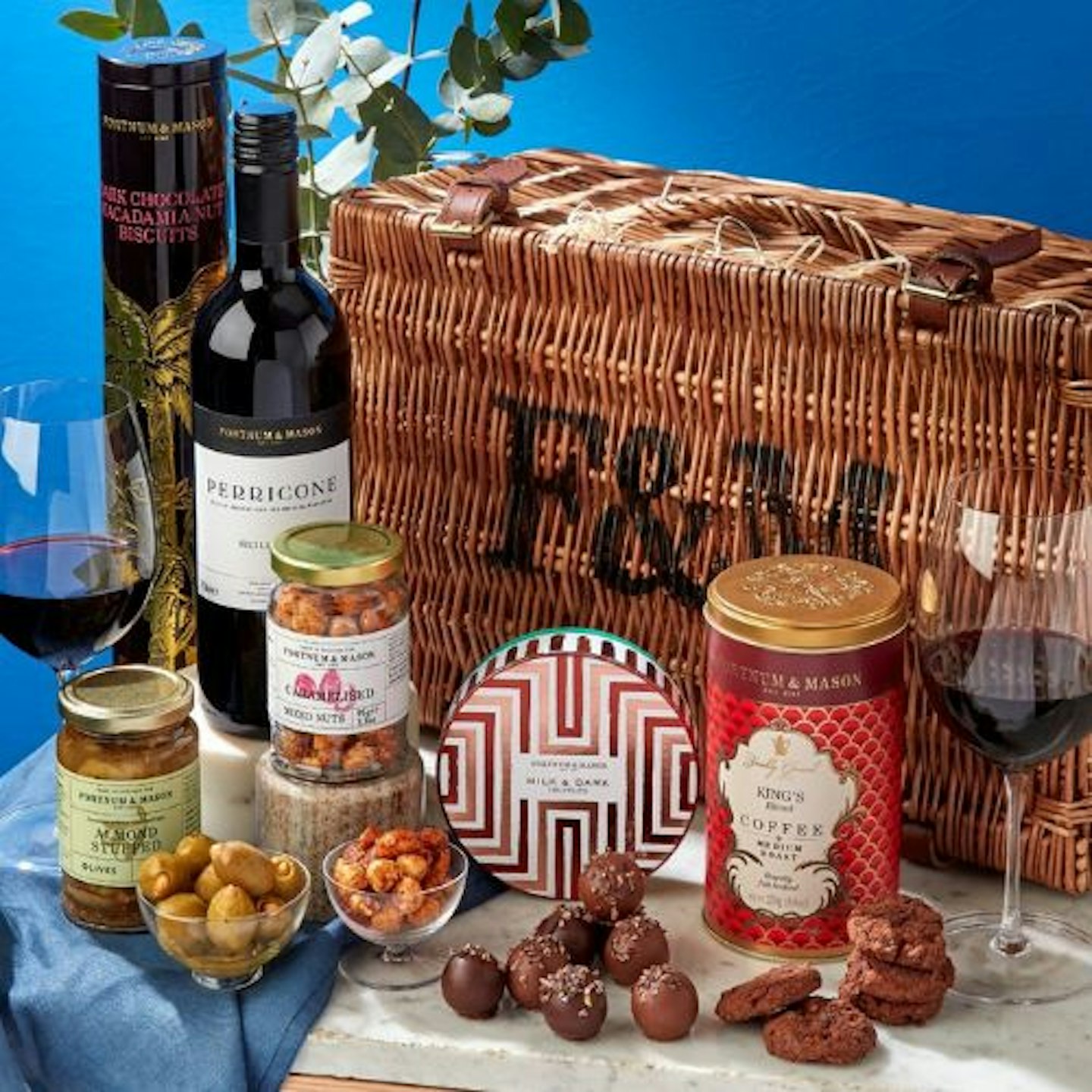
I remember a Father's Day a few years ago when I tried to be "practical" and gave my father a high-end toolset. He loved the tools, but he looked at them with a sort of professional curiosity—like he was auditing a job site. The following year, I shifted gears. I put together a basket that had his favorite smoked almonds (Taste), a heavy-weight linen robe (Touch), and a framed photo of us from a hiking trip ten years prior (Keep).
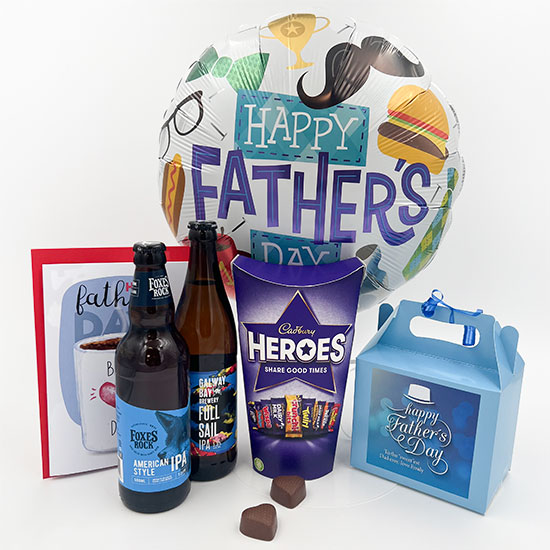
The tools were useful, but the second basket was an experience. It balanced the immediate gratification of a snack with the long-term comfort of the robe and the emotional weight of the photograph.
Adding the "Invisible" Value
The difference between a professional hamper and a deeply personal one is often found in what you can't buy from a catalog. This is the "invisible value"—the elements that prove you spent time thinking about him, not just money on a checkout page.
As the saying goes, "The smallest act of kindness is worth more than the grandest intention." In the context of a gift basket, this means adding the non-commercial touches:
- The Handwritten Note: Not a store-bought card with a printed poem, but a note that mentions a specific memory or thanks him for a specific piece of advice. The Inside Joke: Include one small, perhaps "useless" item that only makes sense to the two of you—a specific brand of candy from a city you visited together, or a keychain that references a family joke. The Instructions: If the basket is themed (like a cocktail kit), write out your own "recipe" for how he should enjoy it.
Assembly and Delivery Logistics
Once you have the components, the presentation determines whether the gift feels premium or haphazard. If you are assembling this yourself, avoid the "filler" problem—don't just use shredded paper to fill gaps. Use a folded tea towel or a piece of fabric at the bottom to lift the items up so they are visible and secure.
For those who live far away, the logistics change. You have two primary options:
The Hybrid Approach: Order a high-quality base hamper from a professional service to ensure the presentation is polished and the shipping is handled, then send a separate, small package via express mail containing the "invisible value" items (the photos, the handwritten note). The Curated Service: Use a premium gifting service that allows for item substitutions. Instead of accepting the default contents, swap out the generic chocolates for something more aligned with his tastes.Regardless of how it gets there, ensure the packaging is sturdy. There is nothing less celebratory than a gift basket that arrives as a jumble of broken glass and displaced snacks.
Moving Toward the Moment
Ultimately, customizing a Father's Day gift is an exercise in paying attention. It’s about acknowledging that your dad is a multifaceted person—not just a "provider" or a "parent," but someone with specific tastes, odd hobbies, and quiet preferences.
When he opens the basket, the goal isn't for him to be impressed by the price tag or the brand names. The real win is when he pulls out an item and asks, "How did you remember I liked this?" That moment of being truly seen is the actual gift; the basket is just the delivery mechanism.